Cricket Protein Nutrition — What the Numbers Actually Mean
Complete protein, B12, iron, and fat profiles of cricket powder and roasted crickets — decoded for Malaysian snackers.
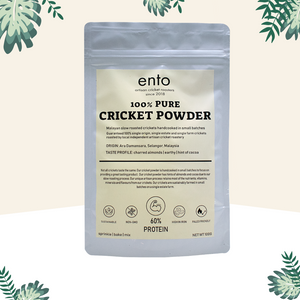
Cricket protein gets marketed as a superfood. Strip away the hype and you find a genuinely efficient nutrient package — with caveats worth understanding.
Complete amino acids
Crickets provide all nine essential amino acids, putting them in the same conversation as eggs, fish, and whey. For gym-goers in humid KL, a shelf-stable protein snack that does not require refrigeration has practical appeal.
Micronutrients
Cricket flour is notably rich in vitamin B12 and iron — nutrients some Malaysian diets lack, especially among vegetarians exploring insect protein as a supplement (not a full meat replacement without planning).
Fat profile
Roasted whole crickets retain more fat than defatted powder. Larvae skew even higher in healthy fats. Read nutrition panels per 100 g, not per tiny sachet.
Allergy cross-reactivity
If you react to shellfish, treat insects cautiously until an allergist clears you. This is the single most important safety note in entomophagy education.
Powder vs whole
Powder blends invisibly into smoothies — ideal if crunch is a dealbreaker. Whole insects deliver more fibre (chitin) and satiety per bite.