Edible Insects and Shellfish Allergy — What to Know Before You Taste
Why prawn, crab, and lobster allergies can overlap with crickets and larvae, which proteins are involved, why roasting does not remove the risk, and how to read a Malaysian snack label.
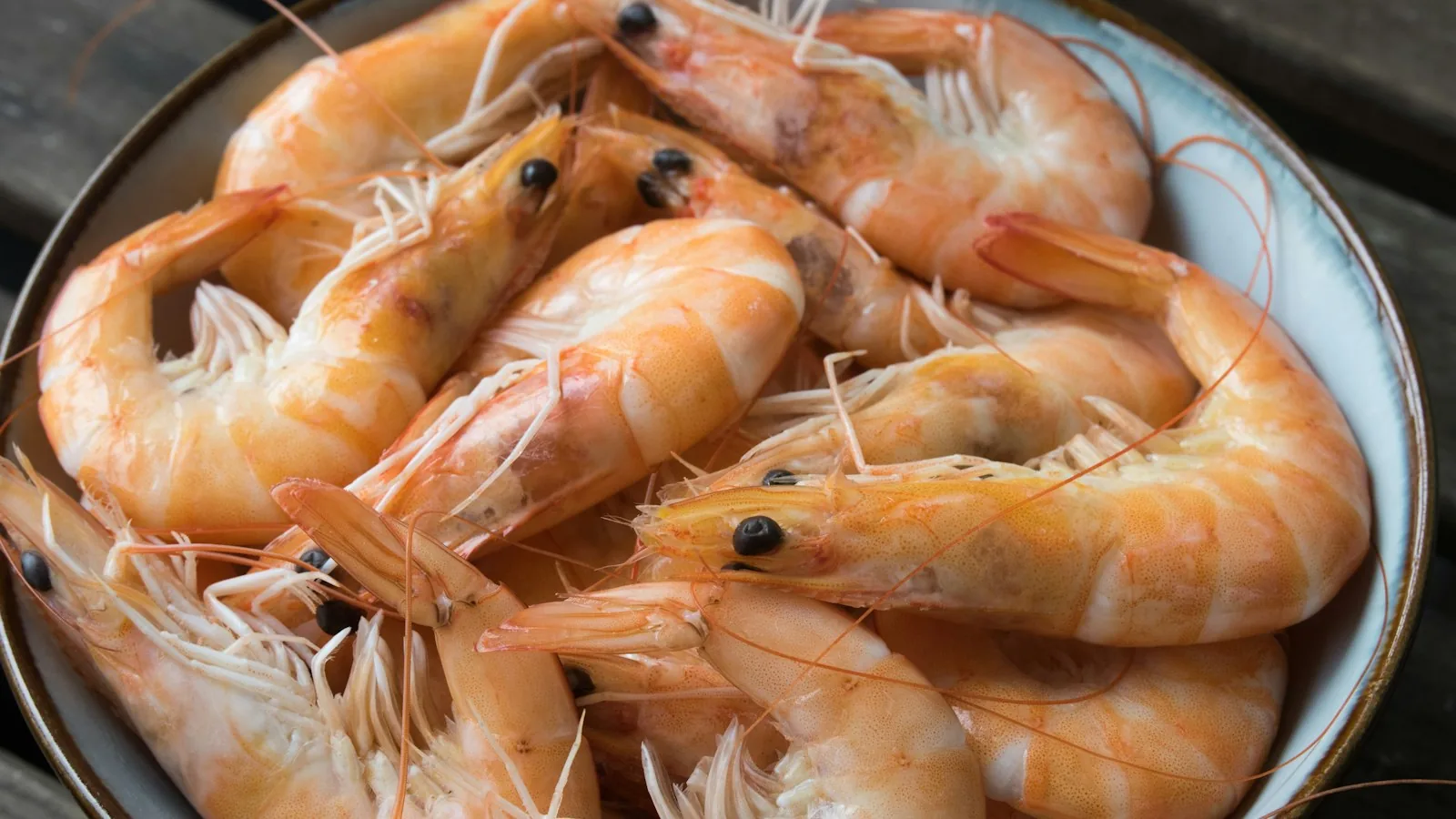
The most important safety question about edible insects is not whether they are “natural.” It is whether your immune system already treats a related animal as a threat. For a large share of people, that related animal is a prawn, crab, lobster, or other shellfish.
This guide explains the overlap in plain language for Malaysian kitchens, gyms, and snack drawers. It is not a diagnosis and it is not permission to test yourself at home. If you have a known shellfish allergy, the cautious position used by clinicians and by European labelling rules is to avoid insect foods until an allergist says otherwise.
Texture, flavour, and nutrition are separate decisions. Those live in your first taste of entomophagy, crickets versus larvae, and cricket protein nutrition. Read this page first if anyone in the household reacts to seafood.
Why shellfish comes up at all
Crickets and black soldier fly larvae are insects. Prawns and crabs are crustaceans. They are not the same animal, and they do not taste the same. They do share a family tree inside the arthropods, and they share a small set of muscle proteins that the immune system can confuse.
Most shellfish allergy is an allergy to proteins, not to “seafood” as a vibe and not to iodine. The protein that dominates the research is tropomyosin, a muscle protein. A second protein, arginine kinase, shows up often enough that allergists treat it as another pan-allergen across invertebrates. A readable overview is McGill University’s Office for Science and Society note, The edible insect revolution is not for those with shellfish allergies. A technical review of insect allergens and processing is in Current Allergy and Asthma Reports: Allergens from edible insects.
If your body already makes IgE antibodies to prawn tropomyosin, a cricket tropomyosin can look familiar enough to trigger the same pathway. That is cross-reactivity. It is not a guarantee that every shellfish-allergic person will react to every insect. It is a well documented reason not to experiment casually.
A documented cricket-snack reaction
Theory is easier to dismiss than a case. In 2024, researchers reported a 27-year-old man who reacted to a commercial house-cricket snack (Acheta domesticus) and, days later, reacted again after eating shrimp. Testing pointed to tropomyosin in the cricket snack, in the same allergen family as shrimp tropomyosin. The paper is open to read: Allergic reaction to a commercially available insect snack.
Two details from that case matter for shoppers:
- The snack was a normal seasoned product, not a raw insect from a farm visit.
- The patient was also sensitised to shrimp. The insect exposure and the shrimp exposure were not isolated hobbies. They were linked through the same protein family.
European regulators have asked for explicit warnings on foods that contain house cricket: the ingredient may cause reactions in people with allergies to crustaceans, molluscs, and products of those animals, and also to dust mites. Malaysia’s retail labels are not identical to EU labels, so a missing warning on a local pouch is not proof of safety. It can simply mean the pack was written to a thinner standard.
What is not the allergen
You will see snack copy, including older lines on this site, mention chitin. Chitin is the tough carbohydrate in an insect’s outer layer. It is part of why crickets crunch and why some powders feel fibrous. It is not the protein allergists name as the main shellfish cross-reactive allergen.
The proteins to remember are:
| Protein | What it does in the animal | Why it matters to you |
|---|---|---|
| Tropomyosin | Muscle contraction | The major shellfish allergen; also present in insects and mites |
| Arginine kinase | Energy metabolism in muscle | A second shared allergen across shellfish, insects, and mites |
| Other insect proteins | Various | Can matter in some people; less famous than the two above |
Roasting, baking, and seasoning do not reliably “cook the allergy out.” Tropomyosin is notably stable to heat. A BBQ cricket and a plain cricket can both carry it. Cricket powder in a cookie is the same insect protein in a quieter form. Hiding the legs does not hide the protein. If you bake for other people, say what is in the dough. Methods for using powder are in cooking with cricket powder; the allergy rule is stricter than the recipe.
Who should treat insect snacks as off limits
Known shellfish allergy. Prawn, crab, lobster, or a doctor’s diagnosis of crustacean allergy. Do not use a festival sample, a friend’s pouch, or a “just five pieces” plan as a test. Book the question with an allergist. Until then, skip roasted crickets, larvae, cricket powder, and baked goods that list insects.
History of anaphylaxis to any insect or crustacean. That history belongs in a medical file, not in a group tasting. Carry the action plan you were given. An insect snack is not the place to discover whether the plan still fits.
Unclear childhood reactions. “I avoid prawns because my mother said I swelled up once” is enough uncertainty to pause. You do not need to be dramatic. You need a proper history before a new arthropod protein.
Feeding a guest, a child, or an office. You rarely know every allergy in the room. Insect snacks should be labelled in the bowl, not slipped into a mix. A taster bundle is for people who opted in.
People without shellfish allergy, without insect reactions, and without a frightening unexplained food history are the group these snacks were written for. Even then, the first sitting should be small, earlier in the day, and near other people — the same common-sense rule as any new food. That pacing is described in your first taste.
Dust mites, which matter in Malaysia
House dust mites are common in humid homes. They are arthropods too, and they carry tropomyosin and arginine kinase. Some people who have never eaten a prawn are sensitised to mite proteins through the air. A fraction of them can react when they eat a related protein. The clinical picture is uneven: sensitisation on a blood test is not the same as a reaction at the table.
What to do with that fact:
- If you have allergic rhinitis or asthma triggered by dust, mention insect foods to your doctor before you make them a habit. Do not assume the nose and the plate are unrelated.
- If mite allergy is only a line on an old lab report and you eat prawns with no trouble, you are not automatically banned from crickets. You are a person who should not discover a problem alone at midnight.
- Do not buy an internet IgE panel and interpret it yourself. Allergy tests need a history beside them.
Malaysia’s climate makes this more than a European footnote. Air-conditioning, carpets, and bedding are everyday mite habitat. The insect-snack decision still starts with what has already happened when you ate prawns, because that history is the clearest signal available without a clinic.
Crickets, larvae, and powder are one risk group
Choosing the “milder” insect does not opt you out.
Black soldier fly larvae are a different species from house crickets, with a different bite. The allergy overlap with shellfish is a protein issue, not a texture issue. A softer larva can still contain related muscle proteins. The comparison of flavour and fat is in crickets versus larvae. Use that page to choose a snack after allergy status is clear, not instead of it.
Powder is the format most likely to surprise someone. It disappears into oats, banana, cocoa, and cookies. A shellfish-allergic person who would refuse a visible cricket may still eat a “protein cookie” if the host does not speak up. Ingredient lists should name the insect, not only “protein blend.” If you sell or share food, naming the species is basic courtesy. The European cricket warning exists because seasoned snacks have already caused real reactions.
Pet food is a side door. Insect proteins are now common in some dog and cat foods. A person with a severe shellfish or insect allergy can react to dust from kibble, not only to a human snack. If that is your household, read pet-food labels with the same care as your own pantry. McGill’s piece makes the same point.
What a reaction can look like
Reactions range from an itchy mouth to a full-body emergency. Timing is often minutes to a couple of hours after the food, not the next week.
Symptoms that need urgent care rather than a blog:
- Trouble breathing, wheeze, or a tight throat
- Swelling of lips, tongue, or face
- Widespread hives with dizziness, vomiting, or a sense of doom
- Collapse or a weak pulse
If you were prescribed adrenaline, use it as you were taught and get emergency help. Do not wait to see if a second cricket “settles.” Malaysia’s emergency number is 999. This page cannot coach an injection.
Milder signs — an itchy mouth, a few hives, stomach cramps — still mean stop eating the food and get medical advice before you try again. A small reaction does not prove the next one will stay small. Antihistamines are not a strategy for proving an insect is safe.
Food poisoning and allergy are different. Nausea the morning after a greasy, salty supper can be the supper. Itching and swelling within minutes are not “the seasoning.” If you are unsure, treat it as allergy until a clinician says otherwise. General food-safety background is at the World Health Organization and Malaysia’s Ministry of Health.
How to read a Malaysian pack
Use this order before anyone new tries a pouch.
- Species name. “Cricket,” “house cricket,” Acheta domesticus, “black soldier fly larvae,” or Hermetia illucens. “Insect protein” alone is too vague for an allergic person to judge.
- Every flavour ingredient. Seasoning does not remove protein. It can add other allergens (milk, soy, sesame, egg).
- A crustacean or mollusc warning, if the brand printed one. Absence of a warning is not a clearance.
- “May contain crustacea” from a shared factory. That is a different issue from insect cross-reactivity, and it still matters if your allergy is to prawns specifically.
- Who the food is for. Human food, not pet feed or fishing bait.
Halal certification answers a different question. A halal mark does not mean allergen-free, and an allergen-safe dairy protein is not automatically halal. Keep the two checks separate. The halal checklist is in Is cricket protein halal in Malaysia?.
Eating with other people
Most accidental exposures are social.
At home. Keep insect snacks in a labelled jar. Do not tip them into an unlabelled noodle topping. If a household member has a shellfish allergy, store the jar where they will not grab it on autopilot, and wipe the counter after you eat. Powder clings to blenders.
At the office. A shared drawer is a bad first introduction. Offer the pouch closed, with the name visible, and accept a no without negotiation. Quiet formats still count as insects.
At a gathering. Put two bowls out only if everyone in reach has opted in. One unlabelled “spicy nut mix” that contains larvae is how a careful guest gets caught. Say the contents before people serve themselves.
For children. Do not use a child as the family’s first tester. Shellfish allergy in a parent raises questions a paediatric clinician should answer, not a snack review.
For late nights. Tired people skip labels. If your evening routine includes a cricket pouch beside a screen, the allergy decision has to be made earlier, when you are awake enough to read. Portion ideas that assume you already tolerate the food are in high-protein late-night snacks.
If you do not have a shellfish allergy
You can still be sensible without being frightened.
- First taste: a few pieces, not the whole bag. Daytime. Someone else in the house.
- Wait before a second serving. Twenty minutes is a reasonable pause, not a scientific immunity test.
- Do not stack a huge new protein experiment on top of a heavy fried meal. You will not know what caused a stomach ache.
- If nothing happens across a few small servings, you have a personal history. That history is about you. It does not extend to your cousin with a prawn allergy.
- Keep buying food-grade packs with a species name. Storage still matters so you do not confuse rancid fat with illness. Dry jars, away from the stove, as with any roasted snack.
Nutrition can return to the foreground once tolerance is boring. Amino acids, B12, and iron are discussed in cricket protein nutrition and health benefits. Gym comparisons with whey are in cricket protein versus whey. None of those benefits outweigh a known crustacean allergy.
What to tell an allergist
If you want a supervised answer rather than a guess, go in with facts:
- Which shellfish caused trouble, at what age, and what the symptoms were
- Whether you have needed emergency care or adrenaline
- Whether dust mites bother your nose or chest
- The exact insect product you hope to eat, including species and a photo of the ingredient list
- Whether you have already eaten insects, and what happened
A clinician may use history alone, skin tests, or blood tests. A test without history is easy to over-read. A supervised challenge, if anyone offers one, belongs in a clinic that can treat anaphylaxis. It does not belong at a food fair.
Bring the pack. “Cricket snack” is not specific enough when powder, larvae, and seasoned whole insects are all on the market.
Questions that usually hide a risk
“I only get an itchy mouth from prawns. Are crickets fine?”
An itchy mouth is still an allergic signal. It is not a mild personality quirk. Ask a clinician before you add insects.
“I am allergic to fish, not prawns.”
Fin-fish allergy and shellfish allergy are different. Insect cross-reactivity is tied to shellfish and other invertebrates, not to salmon or ikan kembung. You still read labels, because a snack can contain both unexpected seafood and insects. Do not borrow someone else’s diagnosis.
“The protein is sustainable, so it must be clean.”
Lower land use, described in environmental benefits, has nothing to do with IgE. A low-impact protein can still be the wrong protein for your immune system.
“I will take an antihistamine first.”
That can mask a mild sign and does not make a severe reaction safe. It is a poor plan.
“Powder is processed, so the allergen is gone.”
Milling is not removal. Heat-stable tropomyosin survives ordinary cooking. Assume the protein is still there until a specialist tells you that a specific product is acceptable for you.
“Nobody in Singapore or Europe would sell it if it were risky.”
Those markets sell it with warnings, precisely because the risk is real for crustacean-allergic consumers. Availability is not a personal clearance.
A household rule you can actually keep
Write this on the jar if you need to:
- Insects stay labelled with the species.
- People with prawn, crab, or lobster allergy do not taste them.
- New tasters stop at a few pieces and wait.
- Blenders and bowls get washed before the next person uses them.
- Any breathing trouble or spreading hives is an emergency, not a debate.
That rule is enough for a shared flat in Kuala Lumpur. It does not require anyone to become an allergist. It requires the snack to stay optional.
Where this leaves the rest of the site
ento’s snack pages describe flavour, nutrition, and format. They are useful after you know insects are appropriate for the eater. Start here if you are unsure, then branch out:
- First sitting, for people who already tolerate shellfish: first taste
- Cricket or larva texture: crickets versus larvae
- Hidden insect ingredients in baking: cricket powder guide
- Halal checks, which are separate: halal guide
- Product formats: snacks
- Short answers: FAQ
If you need a product question that is not an allergy emergency, use contact. Allergy emergencies do not belong in a contact form.
Closing
Edible insects and shellfish allergy overlap because of shared proteins, especially tropomyosin, not because crickets are “a kind of prawn.” Roasting does not erase that overlap. Powder does not erase it. A softer larva does not erase it. A missing warning on a packet does not erase it either.
If you react to prawns, crab, or lobster, leave insect snacks off the menu until an allergist who knows your history says otherwise. If you do not, start small, name the food out loud when you share it, and keep the jar labelled. The protein can wait. The reaction should not be the thing that teaches you the label.